Winter Deer Forest Embroidery Design Review
As an experienced embroidery designer who has spent years refining designs for small business merchandise, I approach every new file with a critical eye. When evaluating Winter Deer Forest Embroidery, I am not just looking at a pretty picture; I am assessing its viability as a commercial asset. For small business owners, Etsy sellers, and merch creators, the difference between a decorative item and a professional brand element often lies in stitch density, scalability, and fabric compatibility. This review explores how this design performs when applied to real-world business applications, from branded patches to staff uniforms.
First Impressions: The Business Potential of the Design
The title Winter Deer Forest Embroidery immediately suggests a rustic, premium, and seasonal aesthetic. In the current market, customers are drawn to handmade products that evoke warmth and nature. From a branding perspective, this design feels friendly yet elegant, making it suitable for a wide range of industries including bakeries, florists, pet brands, and creative studios. The visual personality appears balanced enough to serve as a central logo or a subtle accent detail without overwhelming the garment.
For a boutique or local shop, this design offers a unique opportunity to create a cohesive look. It is not merely a Christmas decoration but a versatile asset that can anchor a winter collection or a holiday campaign. The potential for brand identity is strong here, as the imagery conveys stability and organic charm, qualities that build customer trust and recognition.
Real-World Applications for Small Business Merch
The true test of any embroidery file is how it translates from a digital screen to a physical product. Winter Deer Forest Embroidery shows great promise across several key areas of small business merchandising.
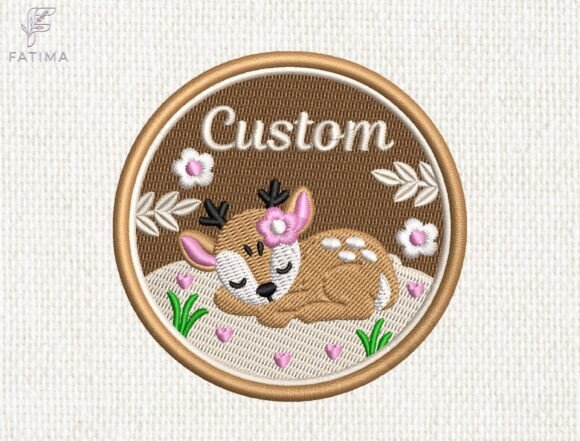
- Embroidered Patches: One of the most popular uses for this design would be creating custom embroidered patches. These can be sewn onto denim jackets, backpacks, or tote bags sold as limited-edition items. The design's likely clean lines make it ideal for patch borders, ensuring durability even after frequent washing.
- Staff Uniforms and Aprons: Imagine a cozy café or a bakery where staff wear aprons featuring this motif. Placing apron embroidery on the chest pocket or lower hem adds a touch of professionalism while reinforcing the shop's atmosphere. It transforms standard workwear into branded assets that customers remember.
- Cap Embroidery: For a more casual streetwear vibe, this design works well as a cap design. Whether on a trucker hat or a structured baseball cap, it serves as a perfect front-panel logo for promotional events or trade shows.
- Tote Bag Design: A tote bag design featuring this forest scene appeals to eco-conscious shoppers. It turns a simple canvas bag into a statement piece that promotes the brand every time the customer goes shopping.
- Product Packaging Accents: Beyond apparel, these design assets can be used to embroider tags attached to handmade products. A small version of the deer in the forest on a clothing label or gift box adds a layer of perceived value and attention to detail.
Strategic Considerations and Usage Warnings
While the design has high potential, an experienced designer knows that not all applications are created equal. There are specific scenarios where Winter Deer Forest Embroidery requires careful planning to ensure a polished finished product.
One primary concern is the application on curved surfaces like the front of a cap. If the design contains intricate details, the curvature might distort the image if not digitized correctly. Similarly, using this design for small patch sizes can be risky. If the original file includes fine text or very thin outlines, shrinking the design down may cause the threads to merge, resulting in a muddy appearance rather than a crisp image.
High stitch density is another factor to monitor. While dense stitching looks premium on heavy fabrics like denim, it can cause puckering on lightweight materials like thin cotton tees or sheer fabrics. Furthermore, dark uniforms present a challenge; if the design relies heavily on light thread colors for contrast, it may get lost against a black or navy background unless underlay stitches are properly adjusted.
Fabric texture also plays a crucial role. On highly textured materials like fleece or bouclé, the definition of the embroidery may be compromised. Additionally, items that require frequent industrial washing, such as restaurant aprons, need robust construction. If the design lacks sufficient stabilizer support or has loose satin stitches, it may fray over time, damaging the brand identity through poor quality perception.
Impact on Brand Identity and Customer Trust
In the world of handmade products and commercial embroidery, quality speaks volumes. A well-executed machine embroidery design signals to the customer that the business cares about details. When Winter Deer Forest Embroidery is applied correctly, it elevates the perceived value of the product. It suggests a premium experience, distinguishing the brand from mass-produced competitors.
Consistency is key. Using this design across various touchpoints—from a digital embroidery file on a website to a physical patch on a uniform—creates a unified visual language. This repetition fosters buyer engagement and helps customers instantly recognize the brand in a crowded marketplace. However, if the execution is sloppy, it can have the opposite effect, eroding trust and making the business appear unprofessional.
Practical Designer Notes for Production
Before committing to a large production run, I strongly advise following a rigorous testing protocol. Here are essential steps to ensure success with this design:
- Test in Black and White: Convert the design to grayscale first to check contrast levels. This ensures the design remains legible regardless of the thread colors chosen.
- Verify Small Size Viability: Create a mockup of the design at the intended small patch size. Inspect it closely to ensure no details are lost in the reduction.
- Review Thread Color Contrast: Select thread colors that pop against your target fabric. Avoid similar shades that might blend together.
- Inspect Spacing and Density: Check the spacing between elements. Tight spacing can lead to thread breaks, while loose spacing looks unfinished.
- Confirm Hoop Size: Ensure the design fits within your available hoop size for the specific garment you intend to use.
- Test on Real Fabric: Do not rely solely on digital previews. Stitch the design on the actual fabric type to observe how it behaves.
- Use Proper Stabilizer: Match the stabilizer weight to the fabric. Heavy stabilizers are needed for stretchy knits, while lighter ones suffice for wovens.
- Create a Printable Mockup: Before shipping, generate a printable mockup for client approval to visualize the final result.
- Compare with Other Assets: Place the design beside other design assets in your collection to ensure visual consistency.
- Confirm Commercial Licensing: Most importantly, verify that the purchase includes commercial licensing rights before using Winter Deer Forest Embroidery for resale.
Remember that Digital embroidery files are delivered in ZIP or RAR format, and this is a digital product with no physical item shipped. Instant download follows purchase, but there are typically no returns or refunds for digital products. Therefore, due diligence during the testing phase is your only safety net.
By treating Winter Deer Forest Embroidery with the same rigor as a custom logo project, small business owners can leverage its charm to create standout merchandise. Whether for a holiday sale or year-round inventory, this design has the makings of a successful addition to your handmade product line, provided the technical execution matches the artistic vision.