Splashing Elephant Embroidery Design Review
As an experienced embroidery designer who has spent years refining the art of converting digital files into tangible brand assets, I approach every new design with a critical eye. When evaluating Splashing Elephant Embroidery Design, my focus shifts immediately from simple aesthetics to commercial viability. This isn't just about creating a cute image; it is about assessing how this asset functions within a broader small business ecosystem. The description promises "dynamic personality" and a "playful" vibe, which are excellent keywords for specific market segments, but do they translate effectively when stitched onto a cap or a tote bag? In this review, I will break down exactly where this design fits in your inventory and how it can elevate your brand identity.
First Impressions: Personality Meets Professionalism
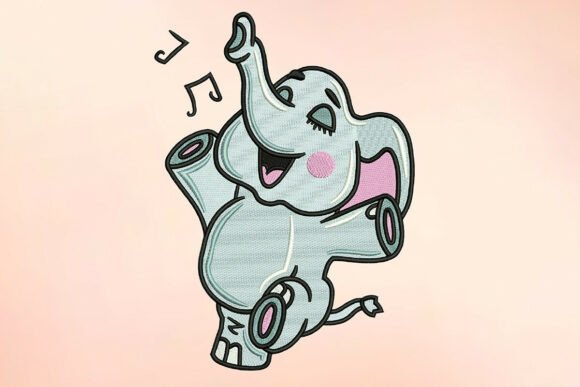
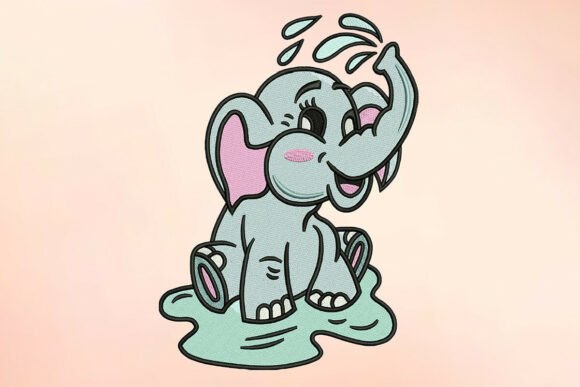
The moment you look at the preview of Splashing Elephant Embroidery Design, the energy is undeniable. The concept of an elephant splashing water suggests movement, joy, and a touch of whimsy. For a small business owner looking to humanize their brand, this is a powerful visual tool. It feels less like a rigid corporate logo and more like a character that customers can connect with emotionally. This dynamic personality is crucial for brands in the lifestyle, pet, children's, or creative studio sectors. It strikes a balance between being friendly and bold enough to stand out on a dark apron or a light-colored tote bag.
However, the playful nature requires careful consideration regarding your target demographic. If you are a high-end luxury boutique, this might feel too casual. But for a local café, a handmade craft shop, or a bakery, the "baby animals" category brings an immediate sense of warmth and approachability. The design acts as a conversation starter, inviting customers to engage with your products on a personal level. It signals that your brand values fun and creativity, which can significantly boost buyer engagement and foster a sense of community around your label.
Real-World Application: From Patches to Product Labels
The true test of any embroidery file is its performance in real-world scenarios. Let's imagine a scenario where a local florist wants to launch branded merchandise. Splashing Elephant Embroidery Design could serve as a standout accent on a chest pocket of a work shirt, adding a splash of color that breaks up the monotony of a uniform. Alternatively, it works exceptionally well as an embroidered patch. A patch featuring this design could be applied to denim jackets, beanies, or even attached to product packaging to create a memorable unboxing experience.
For Etsy sellers and merch creators, this design offers versatility across various mediums. On a canvas tote bag, the dynamic motion of the water splash can be rendered beautifully, provided the stitch density is managed correctly. It serves as a perfect tote bag design that reinforces the brand without overwhelming the fabric. Similarly, for a pet brand or a creative studio, incorporating this into custom apparel like staff t-shirts or aprons creates a cohesive visual language. The design can act as a subtle detail on a sleeve or a focal point on the back of a hat, ensuring that your team looks professional yet approachable.
When used on apron embroidery projects for bakeries or coffee shops, the design adds a layer of charm that customers love to photograph and share on social media. This organic marketing potential is invaluable for small businesses. Furthermore, as a branded product add-on, such as a label sewn into a handmade item, it elevates the perceived value of the finished product. It tells the customer that attention was paid to the details, reinforcing trust in the quality of the goods they are purchasing.
Strategic Considerations and Limitations
While the potential is high, there are areas where Splashing Elephant Embroidery Design requires caution. Not every surface is suitable for this level of detail. Small patch sizes can sometimes cause intricate outlines to blur together, especially if the stitch count is high. If you intend to use this on a tiny button or a miniature tag, the fine lines may get lost, diminishing the impact of the "splashing" effect. Additionally, curved surfaces like the front of a cap can distort the geometry of the design if not digitized specifically for that curvature.
Fabric texture plays a massive role in the final outcome. On highly textured fabrics, the definition of the water droplets might be lost, making the design appear muddy. Dark uniforms present another challenge; achieving good thread color contrast against a black or navy background is essential. If the thread colors chosen do not pop against the fabric, the "dynamic personality" described in the title will be muted. Finally, items that undergo frequent industrial washing require robust stitching. Designs with loose threads or high stitch density can lead to puckering or wear over time, so testing durability is non-negotiable before mass production.
Impact on Brand Identity and Customer Trust
Every stitch contributes to your brand identity. Using Splashing Elephant Embroidery Design consistently across your product line—from cap embroidery to product labels—creates visual consistency that builds recognition. Customers begin to associate that playful elephant with your specific quality standards and values. This repetition fosters trust; when a customer sees the design on a new item, they immediately recognize it as part of your family of products. It transforms a generic commodity into a branded experience.
Furthermore, the choice to use a unique, character-driven design signals professionalism. It shows that you have invested in custom assets rather than using generic clipart. This distinction matters to buyers who are looking for authenticity in their purchases. A well-executed commercial embroidery project demonstrates that you care about the presentation of your goods, which directly influences the perceived value and allows you to command higher price points. It turns a simple piece of clothing into a statement piece that reflects the personality of your business.
Essential Designer Notes for Production
Before you commit to running this design through your machine for a large batch of orders, there are several technical steps you must take. First, always test the embroidery design in black and white. This helps you visualize the stitch density and ensure that the contrast holds up without relying on color to carry the design. Check the spacing carefully; elements that are too close together can merge during stitching, ruining the clean lines of the elephant and the water.
You must also confirm the appropriate hoop size for your intended application. A design that fits perfectly on a 4x4 hoop might need resizing or re-digitizing for a larger garment area. Inspect the thread color contrast against your actual fabric swatches; what looks good on a screen often differs under the needle. Use proper stabilizer to support the fabric, especially if you are working with stretchy materials or heavy-duty fabrics like denim. Creating a printable mockup for client approval is also a smart move, allowing stakeholders to see the placement and scale before cutting fabric.
Finally, verify the commercial licensing terms of the digital embroidery file. Ensure you have the rights to use Splashing Elephant Embroidery Design for resale items, patches, and bulk merchandise. Compare this design alongside your other design assets to ensure it fits stylistically with your existing collection. By following these rigorous steps, you ensure that the final finished product meets the high standards your small business deserves, turning a fun concept into a profitable, professional reality.