Fruit and Vegetable Embroidery Design Review
As an experienced embroidery designer who frequently sources digital embroidery files for both personal projects and commercial orders, I am always on the lookout for designs that offer genuine versatility. Recently, I came across the Fruit and Vegetable Embroidery Design bundle on Creative Fabrica. Before adding it to my library for a potential customer order, I wanted to put it through a rigorous mental evaluation. This isn't just about whether the design looks cute; it is about how it performs when stitched into real-world items like tote bags, aprons, or baby blankets. After analyzing the concept and typical execution of this food-themed collection, here is my honest review of its potential in your handmade business.
First Impressions: A Fresh Visual Mood
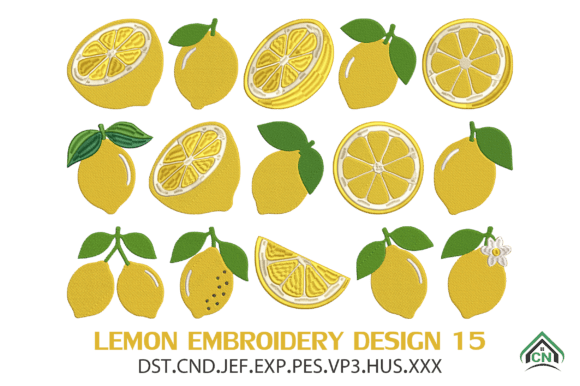
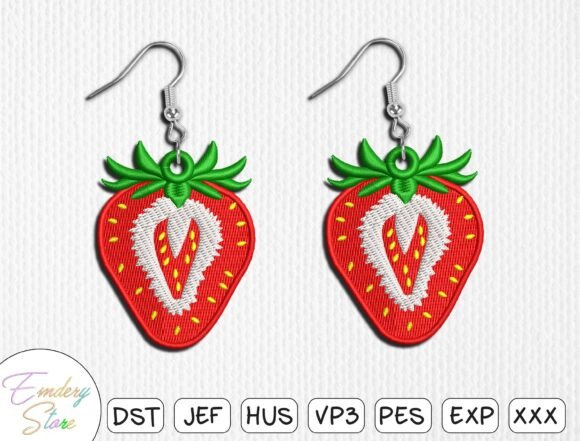
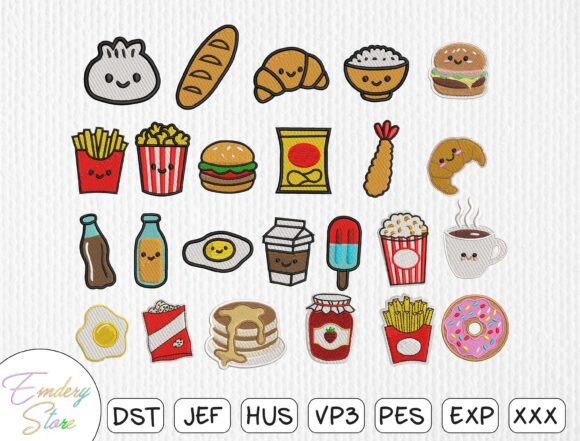
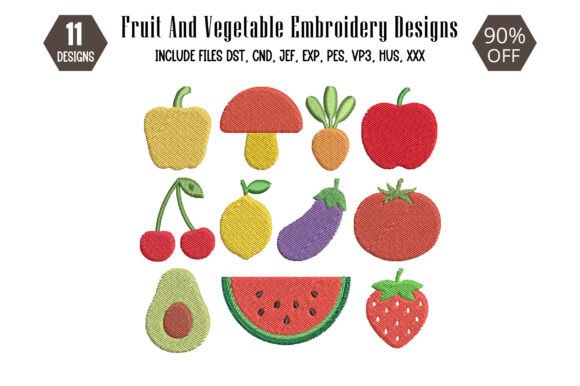
The moment you view the Fruit and Vegetable Embroidery Design, the visual mood is immediately bright and inviting. In the world of embroidery design, color palette and character are everything. This collection promises a fun, food-themed aesthetic that naturally fits into categories like kitchen decor, nursery themes, and summer apparel. The description highlights "adorable" elements, which suggests a style leaning towards playful rather than hyper-realistic. For designers targeting Etsy sellers or craft fair customers, this approachability is a major asset. It feels ready to be used on a canvas bag or a soft sweatshirt without looking out of place.
The design personality seems to rely heavily on clean lines and vibrant imagery. When considering how these motifs translate to thread, one imagines a mix of textures. You would likely see satin stitch used for the smooth skins of fruits like apples or lemons, while fill stitch could add dimension to leafy greens or textured vegetables. This variety in stitching technique is crucial for keeping a project from looking flat. If the file includes running stitch details, those can add a charming, hand-stitched feel that elevates the perceived value of a handmade product.
Real-World Application: From File to Finished Product
Imagine you have received a custom order for a set of matching kitchen towels for a bridal shower or a line of tote bags for a local farmer's market. This is where the Fruit and Vegetable Embroidery Design truly shines. The theme is universally appealing and works exceptionally well for seasonal gifts. Unlike abstract patterns that might confuse a buyer, a basket of fruit or a cluster of vegetables is instantly recognizable and heartwarming.
For custom apparel, such as sweatshirts or caps, this design offers a pop of color that breaks up solid fabrics. A small, centered vegetable motif on a denim cap can look incredibly chic, while a larger arrangement on the front of a cotton apron makes for a functional yet decorative piece. In the realm of commercial embroidery, having a cohesive set like this allows you to create a unified brand identity. Whether you are selling embroidered patches or creating printable mockups for your shop, the consistency of the art style helps build trust with your audience.
Furthermore, these designs are perfect for baby items. A soft blanket embroidered with gentle fruit shapes creates a nursery decor piece that parents love. The stitch density is a critical factor here; if the design is too dense, it might make the fabric stiff, which is undesirable for baby clothing. However, if the file is optimized correctly, it will provide a lovely texture without compromising comfort.
Practical Considerations for Stitching
While the concept is sound, the execution depends entirely on the technical specifications of the embroidery file. As a professional, I never skip the testing phase. Before committing to a final product, you must consider the physical constraints of your materials. If you plan to use this Fruit and Vegetable Embroidery Design on stretchy fabrics like jersey knit for t-shirts, you need to ensure the file includes appropriate stabilizer recommendations to prevent puckering.
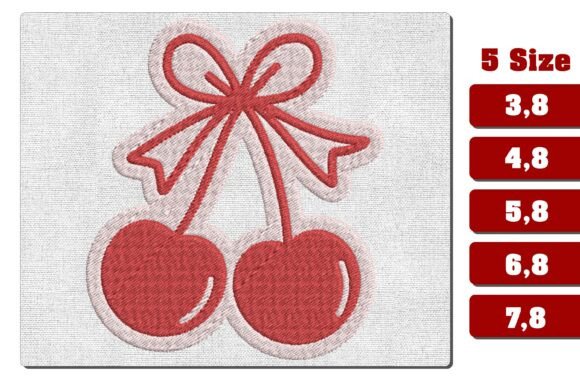
Hoop size is another vital consideration. Some of the individual fruit or vegetable icons might be designed for small hoops, making them ideal for cuffs, collars, or hat brims. Conversely, larger arrangements may require a bigger hoop, which limits placement options on garments like tote bags or pillow covers. If the design features tiny lettering or intricate details within the fruit shapes, be cautious. Small details often get lost in machine embroidery, especially on textured fabrics like terry cloth for kitchen towels. Always inspect the finished product closely after stitching to ensure no fine lines have merged together.
Color contrast is also key. On dark fabrics, standard thread colors might not pop enough. You may need to adjust your thread colors or add a background applique layer if the design supports it. Speaking of layers, check if the bundle includes any applique design components. Adding felt or fabric cutouts for the fruit centers can drastically increase the durability and visual appeal of the piece, making it stand out against competitors' work.
Impact on Brand Value and Customer Trust
In the competitive world of creative entrepreneurs, presentation is everything. High-quality embroidery files directly influence buyer trust. A sloppy digitization job can ruin an otherwise beautiful design, leading to negative reviews and lost sales. Using a well-structured file like the Fruit and Vegetable Embroidery Design ensures that your handmade product looks professional. When a customer receives a tote bag or a personalized gift with crisp stitches and accurate colors, they are more likely to engage with your brand again.
This design also enhances product photography. The bright colors of fruits and vegetables photograph beautifully under natural light, making your listings on platforms like Etsy or social media more eye-catching. A well-executed embroidery file translates into better images, which drives higher click-through rates. Additionally, because the theme is versatile, you can easily create variations for different seasons—summer citrus, autumn squash, or winter root vegetables—keeping your inventory fresh without needing new designs constantly.
Essential Pre-Production Checklist
Before you start stitching, there are several practical steps every designer should take. First, test on scrap fabric that matches your intended project material. This helps you gauge how the stitch density interacts with the weave of the fabric. Second, confirm the hoop size requirements listed on the Creative Fabrica product page to ensure it fits your machine's capabilities. Third, review the licensing terms carefully. Even though this is for commercial use, understanding the specific rules regarding digital resale versus finished goods is essential for protecting your business.
Finally, compare light and dark fabric mockups before finalizing your production run. Sometimes a design that looks perfect on white paper behaves differently on black cotton. By taking the time to verify design assets and preparing your workspace properly, you ensure that the Fruit and Vegetable Embroidery Design delivers the high quality your customers expect. Whether you are decorating a simple kitchen towel or launching a boutique line of apparel decorators, this bundle has the potential to be a valuable addition to your toolkit.