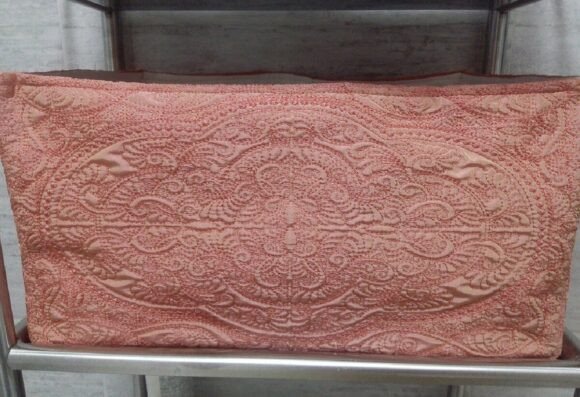
Embroidery Design Trapunto Box
As an embroidery designer who spends countless hours refining stitch patterns for boutique collections, I am always on the lookout for designs that offer more than just a simple graphic. When I first encountered the Embroidery Design Trapunto Box, my initial reaction was one of intrigue. In a market saturated with standard monograms and floral motifs, a trapunto-style box design offers a distinct visual personality that feels both structured and tactile. This isn't just a decorative element; it is a statement piece that can elevate a basic garment into a premium product.
The concept of trapunto involves creating a raised effect by stuffing the background fabric between two layers, but in machine embroidery, we mimic this look through specific stitching techniques that create depth and dimension. The Embroidery Design Trapunto Box captures this aesthetic perfectly. It possesses a mood that is simultaneously classic and contemporary. Depending on your thread choices, it can feel rustic and cozy or sleek and modern. For designers planning a collection of sweatshirts, hoodies, or tote bags, this design provides a versatile anchor point that suggests quality and attention to detail without being overly ornate.
Visualizing the Collection: From Hoodies to Denim
Imagine preparing a small batch of neutral-colored sweatshirts for an upcoming online shop launch. Placing the Embroidery Design Trapunto Box on the left chest creates an immediate focal point. Unlike a flat print, the texture of this design catches the light differently, adding a layer of sophistication that customers often associate with higher price points. On a pastel hoodie, the raised texture of the box design adds a playful yet polished touch, perfect for lifestyle product photos that need to pop on social media feeds.
I have also found this design particularly effective for back placements on oversized garments. A large, centered trapunto box on the back of a heavy cotton hoodie can serve as a canvas for additional text or smaller accents, creating a cohesive brand identity. For denim jackets, the sturdy nature of the fabric pairs beautifully with the density required for a trapunto style. The design stands out against the rugged texture of denim, making it an excellent choice for custom apparel projects aimed at younger demographics or streetwear enthusiasts.
Beyond clothing, the versatility of the Embroidery Design Trapunto Box extends to accessories. Embroidering this design on canvas tote bags gives them a boutique feel that commands attention. Whether you are an Etsy seller looking to differentiate your listings or a small business owner creating merchandise for events, this digital embroidery file offers a professional finish that enhances product recognition. It works well on dark garments as well, provided you select high-contrast thread colors that make the raised stitches visible against the deep background.
Strategic Placement and Fabric Considerations
While the potential of the Embroidery Design Trapunto Box is high, successful execution requires careful consideration of where and how you apply it. As a designer, I advise against placing dense trapunto designs on highly stretchy fabrics like thin jersey t-shirts unless you use a very stable stabilizer system. The tension created by the stuffing effect can distort the fabric if not properly managed.
Sweatshirt embroidery often benefits from this design because the fleece material provides enough body to support the raised texture. However, be cautious with ribbed fabric areas, such as cuffs or collars. The curvature of these surfaces can cause the box design to warp, losing its geometric integrity. Small chest placements can work well on adult sizes, but on children's apparel, the scale might appear too heavy. Always test the design on scrap fabric that matches the weight and stretch of your final garment to ensure the stitch density does not pull the material.
For those working with dark garments, the contrast is key. Lighter threads will highlight the trapunto effect, making the box appear more three-dimensional. Conversely, tonal threads can create a subtle, textured look that appeals to minimalist aesthetics. The decision ultimately depends on the brand identity you wish to project. If your goal is a bold, eye-catching look, go for high contrast. If you prefer understated elegance, choose threads that blend slightly with the fabric while still showing the texture.
Elevating Brand Identity and Commercial Value
In the world of handmade products and commercial embroidery, the difference between a generic item and a branded staple often lies in the details. The Embroidery Design Trapunto Box contributes significantly to buyer trust and perceived value. Customers can physically feel the quality of the embroidery, which reinforces their confidence in the brand. When a customer sees a garment with a well-executed trapunto design, they immediately recognize it as a finished product rather than a mass-produced item.
This design is ideal for creating visual consistency across a product line. Whether you are producing a series of seasonal outfits or a collection of matching family loungewear, the box motif can serve as a recurring element that ties the collection together. For digital sellers creating printable mockups, having a design with this level of detail allows for realistic previews that showcase the texture of the stitching, helping to drive sales on platforms like Etsy.
However, before moving into full production, there are practical steps every embroidery designer must take. First, review the product details on Creative Fabrica to confirm the file formats available. While the description notes that the Embroidery Design Trapunto Box works on a variety of machines, specific hoop size requirements and stitch counts should be verified to ensure compatibility with your equipment. Checking the licensing terms is equally important to understand what you can do with the finished product, especially if you plan to sell the items commercially.
Essential Notes for Production Success
To achieve the best results with the Embroidery Design Trapunto Box, follow these guidelines:
- Test on Scrap Fabric: Always run a test stitch on a piece of the actual fabric you intend to use. This helps you gauge how the fabric reacts to the density of the trapunto stitches.
- Check Stabilizer Choice: Because trapunto designs rely on structure, using the correct stabilizer is crucial. Heavier cut-away stabilizers are often recommended for sweatshirts and heavier materials to prevent puckering.
- Review Thread Color Contrast: Select thread colors that enhance the depth of the design. High-quality polyester threads usually provide the best sheen and durability for commercial products.
- Confirm Hoop Size: Ensure your hoop accommodates the dimensions of the box design without cutting off any elements, which could ruin the symmetry.
- Inspect Stitch Density: Look closely at the finished sample to ensure the fill stitches are tight enough to create the raised effect but not so dense that they damage the fabric.
- Compare Placement Options: Try different locations on the garment, such as the sleeve or back, to see which placement maximizes the visual impact of the design.
The Embroidery Design Trapunto Box represents a smart investment for creative entrepreneurs looking to expand their offerings. It bridges the gap between traditional sewing crafts and modern fashion trends. By understanding the nuances of fabric texture, stitch density, and placement, you can transform a simple digital file into a standout feature of your boutique brand. Whether you are designing for a local craft fair or building a global online store, this design offers the professional polish needed to engage customers and build lasting loyalty.
Remember that the success of any machine embroidery design comes down to preparation. Take the time to consult the specific details provided by Creative Fabrica regarding the Embroidery Design Trapunto Box. Confirming the technical specifications ensures that your transition from design to finished product is smooth and efficient. With the right approach, this design can become a signature element in your repertoire, helping you create custom apparel that truly stands out in a crowded marketplace.