Baby Safari Animals Embroidery Design Review
As an experienced embroidery designer who has spent years refining digital files for commercial production, I approach every new asset with a critical eye. When evaluating the Baby Safari Animals Embroidery Design, my focus shifts immediately from aesthetic charm to practical application. For small business owners, Etsy sellers, and branded merchandise creators, a design is not just a picture; it is a production tool that must withstand the rigors of daily wear, frequent washing, and high-volume stitching. This review breaks down how this specific collection fits into a professional workflow for apparel, patches, and custom branding.
First Impressions: Playful Yet Professional
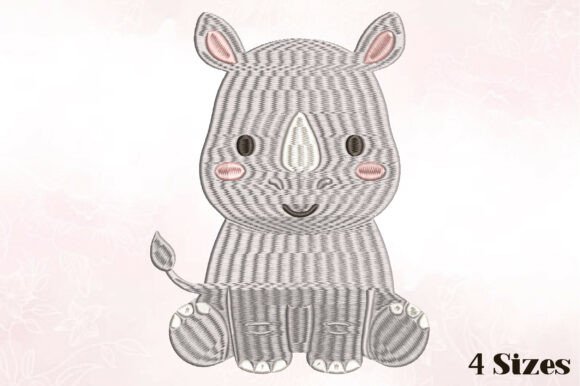
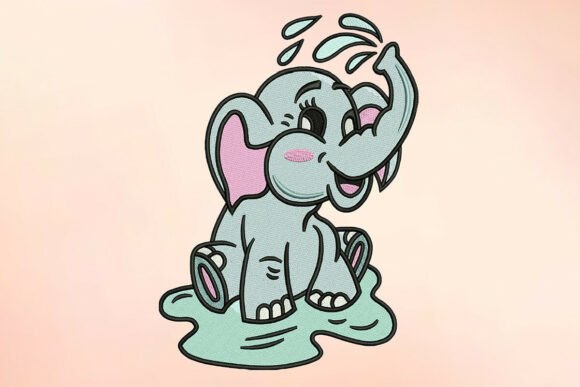
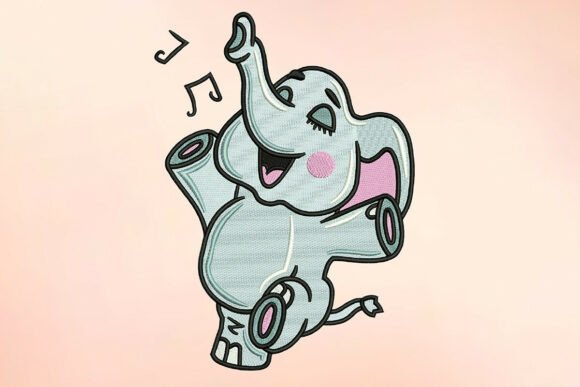
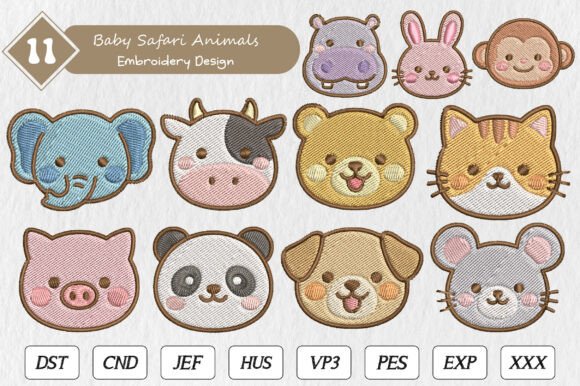
The moment you examine the Baby Safari Animals Embroidery Design, the visual personality shines through. The description highlights "sweet facial expressions" and "soft pastel accents," which immediately signals a friendly, approachable brand identity. Unlike bold, graphic-heavy logos that scream corporate authority, this design offers a warm, handmade feel that resonates deeply with families, nurseries, and boutique retailers. It strikes a balance between playful and premium, making it ideal for brands that want to convey care and attention to detail without sacrificing professionalism.
For a creative studio or a local bakery looking to add a unique touch to their product line, this design provides a distinct visual hook. The softness of the pastels suggests a gentle brand voice, perfect for baby showers, children's apparel, or even pet brands that want to tap into the "cute" factor. However, as a designer, I look beyond the colors. The layout of 11 distinct animals requires careful consideration regarding spacing and density. If executed correctly, this collection can serve as a cohesive set of design assets rather than a single, isolated image.
Real-World Business Applications
The true value of the Baby Safari Animals Embroidery Design lies in its versatility across various merchandise categories. Small businesses often need one versatile file that can adapt to multiple products, saving time on digitization costs. Here is how this design performs in real-world scenarios:
- Embroidered Patches: This collection is exceptionally well-suited for creating custom embroidered patches. Whether applied to denim jackets, backpacks, or tote bags, these designs add a tactile element that customers love. The individual animal motifs allow for a variety of patch sizes, from small chest badges to larger back-patch statements.
- Staff Uniforms and Aprons: For cafes, bakeries, or florists, adding a subtle safari accent to staff aprons or work shirts humanizes the brand. A small embroidered lion or elephant on the chest pocket of a barista's uniform creates a memorable customer experience. It transforms a standard work shirt into a branded piece of art.
- Cap Embroidery: Curved surfaces like caps require precise digitizing to avoid puckering. If the Baby Safari Animals Embroidery Design maintains clean outlines at a reduced scale, it works beautifully as a cap logo. It adds a whimsical touch to promotional headwear sold at craft fairs or events.
- Tote Bag Designs: Tote bags are a staple for handmade brands and Etsy sellers. Using this design as a focal point on a canvas bag creates a functional marketing tool. Every time a customer carries the bag, they become a walking advertisement for your brand.
- Product Packaging Accents: Beyond apparel, this design can be used on hang tags, product labels, or even stitched onto fabric gift boxes. This level of detail elevates the perceived value of the finished product, showing customers that you care about the unboxing experience.
Strategic Brand Identity and Customer Trust
In the competitive landscape of small business merch, visual consistency builds trust. The Baby Safari Animals Embroidery Design contributes significantly to brand recognition by offering a consistent visual theme. When a customer sees the same sweet animal motif on a hat, a tote, and a sticker, it reinforces brand recall. Furthermore, the "handmade" quality inherent in machine embroidery design fosters a sense of authenticity. In an era of mass-produced goods, a custom embroidered item signals craftsmanship and effort, which directly impacts buyer engagement and willingness to pay a premium price.
Critical Considerations for Production
While the design is charming, a professional review must address potential pitfalls. Not every surface is suitable for every stitch pattern. As an embroiderer, I advise caution in the following areas when using the Baby Safari Animals Embroidery Design:
- Small Patch Sizes: If you plan to produce tiny patches (under 1 inch), detailed facial expressions may lose definition. The "sweet" features might blur into a solid shape if the stitch count is too high for the area. Always test the smallest intended size before committing to a full run.
- Curved Surfaces and Caps: Embroidering on curved fronts requires specialized hoops and stabilizers. If the design has dense outlines, the curvature of a cap can cause distortion. Ensure the digitizing accounts for the curve to maintain the integrity of the animal shapes.
- Dark Uniforms and Contrast: The description mentions "soft pastel accents." On dark fabrics, pastels often lack visibility unless a high-density underlay or bright thread colors are used. Verify thread color contrast to ensure the design pops against the garment background.
- High Stitch Density: Dense designs can make fabric stiff and uncomfortable, especially on children's apparel or lightweight t-shirts. Check the stitch density to ensure the finished product remains breathable and flexible.
- Frequent Washing: For items like aprons or work shirts that undergo industrial washing, the stability of the stitches is crucial. Detailed outlines are prone to snagging if the edge satin stitches are not robust enough.
Essential Designer Notes for Commercial Use
Before integrating the Baby Safari Animals Embroidery Design into your production line, follow these practical steps to ensure success:
- Test in Black and White: Convert your mockup to grayscale first. This helps you see if the design holds its shape without relying on color contrast to hide imperfections.
- Review Thread Colors: Ensure the thread palette matches your brand guidelines. Pastels should be vibrant enough to stand out but soft enough to maintain the intended mood.
- Inspect Spacing and Hoop Size: Confirm that the design fits within your standard hoop sizes. If the collection includes 11 animals, decide if you will stitch them individually or as a group panel. Grouping them requires a larger hoop and more complex setup.
- Stabilizer Selection: Use the proper stabilizer for your fabric texture. Heavy-duty tear-away or cut-away stabilizers are often needed for durable patches, while lighter options work for delicate nursery décor.
- Create a Printable Mockup: Before running a production batch, create a printable mockup to show clients or list on your store. This allows customers to visualize the design on actual merchandise.
- Confirm Commercial Licensing: This is paramount. Ensure you have the legal right to use the digital embroidery file for commercial purposes. Many designs are restricted to personal use only. Without a commercial license, you risk legal issues when selling branded products.
Ultimately, the Baby Safari Animals Embroidery Design is a powerful asset for any small business looking to infuse warmth and character into their merchandise. By understanding its strengths and limitations, you can transform a simple digital file into a high-value finished product that strengthens your brand identity. Whether you are decorating a tote bag, a cap, or a custom apron, taking the time to test and refine the application ensures that your customers receive a professional, durable, and delightful item that reflects the best of your handmade brand.