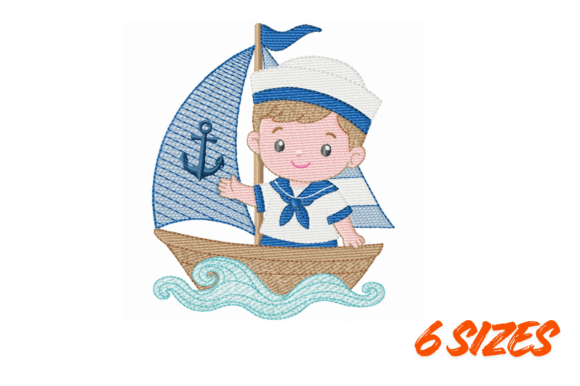
Cute Sailor Boy Embroidery Design Review
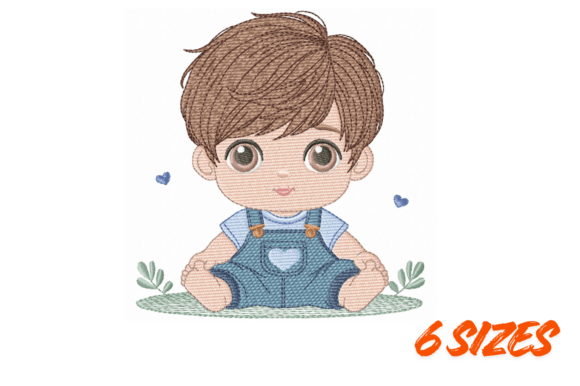
As an experienced embroidery designer preparing for a busy weekend craft fair, I am constantly evaluating new assets to turn into profitable handmade products. Today, I am reviewing the Cute Sailor Boy Embroidery Design. The description paints a vivid picture: an adorable sailor boy featuring a cute boat, ocean waves, and nautical details. It is marketed as perfect for baby clothes, nursery decor, towels, blankets, gifts, and personalized embroidery projects. My goal is to determine if this design will stand out in a crowded booth, how it translates to physical goods, and what makes it a viable option for an Etsy seller or boutique maker.
First Impressions and Market Fit
The moment I read the title and description, the vibe of the Cute Sailor Boy Embroidery Design feels soft, modern, and distinctly cheerful. It avoids the rugged, heavy look of traditional maritime gear and leans into the "farmhouse" aesthetic that is currently dominating the handmade market. For a craft fair product, this distinction is crucial. Customers at these events are looking for items that feel personal and warm. This design promises exactly that.
In terms of visual appeal, the combination of a cute boat and ocean waves suggests a playful energy. It is not just a logo; it is a story. When placed on a white tea towel or a pastel apron, the design immediately signals a gift-worthy item. It fits perfectly within the "Boys" category but remains versatile enough for unisex nurseries. The design assets described here suggest a high potential for creating finished products that catch the eye from across the aisle.
Product Versatility: From Totes to Nursery Decor
One of the most important factors for any embroidery file is its versatility. Can it be used on multiple items without losing its charm? Based on the description, the Cute Sailor Boy Embroidery Design is highly adaptable. Here is how I see it performing on various craft fair staples:
- Tote Bag Design: A tote bag is a staple for any handmade shop. This design would look fantastic as a central focal point on a canvas tote. The nautical theme pairs beautifully with natural fabrics, making it an ideal market bag for parents shopping for their little ones.
- Apron Embroidery: Imagine this design on a linen apron. The ocean waves and boat motif add a whimsical touch to a kitchen tool. It transforms a utilitarian item into a decorative piece that customers love to buy as a housewarming gift.
- Tea Towel Embroidery: Tea towels are high-volume sellers. If the stitch density is balanced, this design can be repeated down the length of a towel or centered as a single statement piece. It photographs exceptionally well for online listings.
- Embroidered Patch: With the right backing, this could easily be converted into an iron-on patch. Parents love adding patches to denim jackets or backpacks, and a cute sailor theme is timeless.
- Pillow Covers and Blankets: For larger items like pillow covers, the design serves as a premium accent. It elevates the perceived value of the item, allowing you to price it higher than a plain textile.
- Small Pouches and Caps: On smaller surfaces like fabric pouches or curved cap surfaces, the design needs to be scaled carefully. However, if the details hold up, it becomes a perfect accessory for a young sailor enthusiast.
Production Practicality and Visual Impact
When I review a design for commercial use, I am thinking about production efficiency. How easy is it to understand at a glance? Does it work as a small accent or does it need to be a large focal design? The Cute Sailor Boy Embroidery Design appears to strike a good balance. It seems detailed enough to be interesting but likely simple enough to stitch quickly, which is vital for batch production.
For an Etsy seller or digital seller, the ability to create a printable mockup is key. A design with clear lines and distinct shapes, like a boat and waves, usually renders well in digital images. This helps attract clicks before the customer even sees the physical item. Furthermore, the design feels repeatable. You could create a collection where different boats or wave patterns accompany the sailor boy, building brand consistency across your booth display.
However, every machine embroidery design has its quirks. I must consider how this design affects the final product's value. If the stitches are too sparse, it might look cheap. If they are too dense, the fabric could pucker. Assuming the design is optimized, it should convey a sense of handmade quality that justifies a premium price point. It engages buyers by offering something that feels crafted with care rather than mass-produced.
Crucial Notes for Successful Production
Before I commit to producing fifty units for the fair, there are specific technical checks I must perform. These notes apply to anyone using this digital embroidery file for commercial embroidery.
- Test on Scrap Fabric: Always run a test on scrap fabric first. Check how the thread colors pop against the base material. A white boat on a navy background looks very different than on a cream background.
- Check Stitch Density: Look closely at the areas with many stitches. Dense stitch areas can sometimes cause issues on thin fabrics. Ensure the stabilizer chosen matches the weight of the fabric to prevent puckering.
- Hoop Size and Spacing: Confirm the hoop size required. If the design is large, you may need a larger hoop, which limits the types of garments you can embroider (like fitted caps). Verify the spacing allows for proper placement on the intended product.
- Fabric Texture Considerations: Textured towels or thick fabrics can hide fine details. If the design includes tiny lettering or intricate wave crests, ensure these elements remain visible on the final texture. Small details often get lost on rough weaves.
- Curved Surfaces: Embroidering on curved cap surfaces requires specific techniques. The design must be stable enough to handle the tension of the curve without distorting the image.
- Dark Fabric Challenges: Dark fabric often requires a top stabilizer or a different underlay to make the colors show up clearly. Test contrast carefully to avoid a muddy appearance.
- Commercial Licensing: Before selling finished products, confirm the commercial licensing terms. Some designs allow you to sell the physical item, while others restrict the number of units or require a specific license type.
Final Verdict for Craft Fair Sellers
The Cute Sailor Boy Embroidery Design holds significant promise for craft fair sellers and handmade shop owners. Its nautical theme is perennially popular, especially for baby-related items. It offers a strong visual hook that can draw customers into your booth. Whether used as a tote bag design, an apron embroidery feature, or a decorative element on nursery decor, it has the potential to become a best-seller.
By paying attention to the practical details—such as thread contrast, stabilizer choice, and fabric selection—you can ensure that the final product reflects the high quality of the original design. This approach builds trust with your customers and strengthens your brand as a creator of thoughtful, durable handmade goods. If you are looking to expand your inventory with a design that blends cuteness with utility, this is a strong candidate to add to your small shop product line.